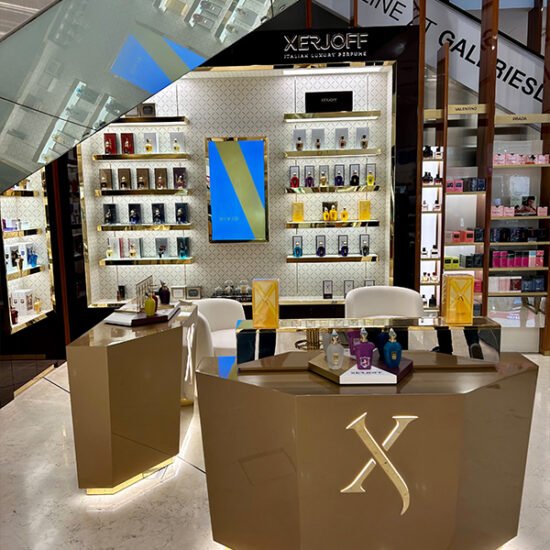
A retail store inside a mall has seconds to catch a shopper’s eye. Poor layout, weak lighting, confusing displays, or cramped walkways can push customers away before they even explore the products. Small design errors also affect staff movement, product visibility, and checkout speed. Brands that treat the store design as a sales tool make stronger choices from the start. This is where mall retail fit out Dubai plays a direct part in brand sales.
Poor store layout
A crowded floor makes shopping harder. Shoppers want enough room to browse, compare products, and move between sections without bumping into fixtures. When racks sit too close together, customers may skip entire areas. A clear floor plan gives each product section enough space and keeps traffic moving smoothly.
Weak product visibility
Great products lose sales when shoppers cannot spot them quickly. Some stores place key products too low, too high, or behind bulky fixtures. Strong display points put popular items at eye level and give new collections a clear position. Simple signs also help shoppers understand product categories without asking staff for help.
Bad lighting choices
Lighting affects the mood of a store and the appearance of products. Harsh lights can make a space feel uncomfortable, while dim areas hide important merchandise. Retailers should use layered lighting with focused lights for displays and balanced general lighting across the sales floor. The right setup also helps colours and textures appear closer to their real appearance.
Ignoring the checkout area
A poorly placed checkout counter can cause queues and block nearby displays. Customers may leave if payment takes too long or the queue feels messy. A practical counter location keeps the payment area clear while giving shoppers easy access to small add-on products. Staff also get better room to work during busy periods.
Forgetting the customer route
Shoppers usually follow natural movement patterns inside a store. Fixtures should guide them toward key displays instead of forcing sudden turns or dead ends. Placing strong products along visible paths gives them greater exposure. A simple route also helps customers discover different sections without making the store feel crowded.
Choosing style over function
A striking interior may attract attention, but poor function quickly hurts daily sales. Oversized fixtures, fragile materials, difficult storage areas, and awkward staff zones can cause constant problems. Retailers should select finishes and furniture that match the brand while supporting daily operations.