The internet overflows with bottles claiming to hold the keys to better health, however a shocking number of these products contain nothing beyond cheap fillers or incorrect ingredients. Separating genuine supplements from clever counterfeits demands a sharp eye and a clear strategy to avoid wasting money on useless or dangerous pills.
This guide delivers key checks to confirm product quality before clicking the purchase button. Use these steps to buy vitamins online with complete confidence and protect your health from deceptive labels.
Check the seller’s official status:
Legitimate manufacturers maintain clear relationships with authorized distributors and list them on their official websites. Visit the brand’s official page and look for a list of approved retailers or a store locator tool. Cross-check this information against the seller’s name on the shopping platform. Avoid any vendor that cannot prove their direct connection to the original maker.
Examine the seal and packaging details:
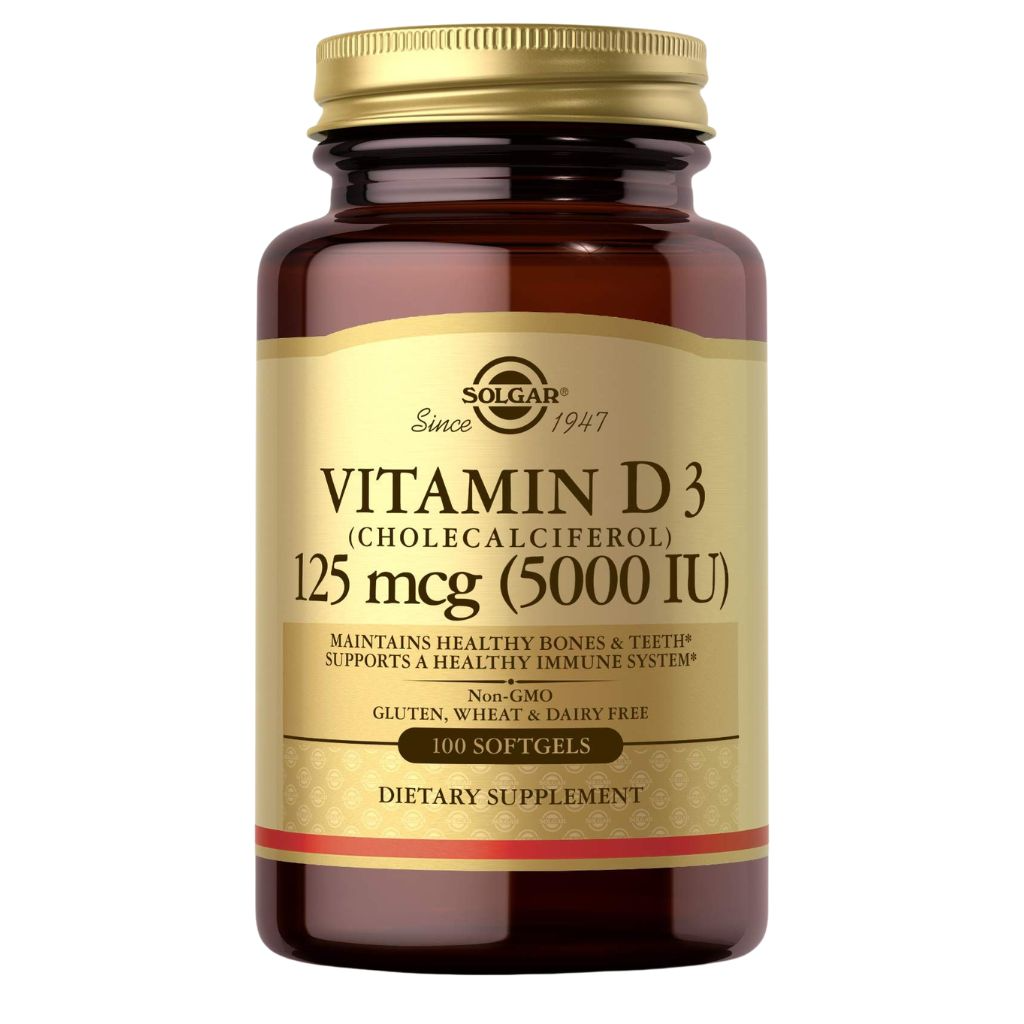
Authentic supplements arrive with intact safety seals, tight shrink-wrap, and crisp printing without smudged letters or faded colors. Examine the bottle for a tamper-evident ring under the cap that breaks upon first opening. Check the lot number and expiration date; genuine products display these in clear, uniform fonts that match the manufacturer’s standard format. Counterfeit packaging frequently shows uneven spacing, blurry logos, or misspelled ingredient names.
Verify the batch number with the manufacturer:
Every genuine product carries a unique batch code that allows tracking through the production system. Input this number into the verification tool found on the official brand website or send a quick inquiry to their customer service team. Reputable companies respond promptly with production dates and quality test results for that specific batch. A missing code, a code that fails to verify, or a code that reveals a different product signals a serious red flag. Perform this step for every new purchase, even when buying from a familiar store.
Read third-party testing reports:
Independent laboratories evaluate supplements for purity, potency, and contamination levels without any influence from the manufacturer. Look for a certificate of analysis from an accredited facility that lists actual measured amounts of active ingredients. These reports should match the label claims within acceptable limits and show no traces of heavy metals or microbes. Genuine brands share these documents freely on their websites or provide them upon request. Sellers who refuse to supply testing evidence likely have something to conceal about their product’s true composition.